
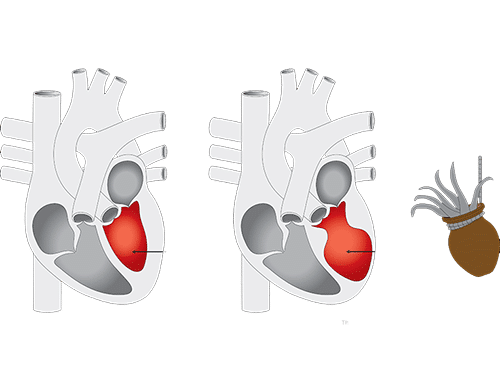
The Takotsubo Syndrome: Between the Broken Heart and the Happy Heart
The Takotsubo syndrome, also known as the broken heart syndrome, is a temporary cardiac disorder that can occur after an emotionally traumatic or stressful event. Although the name may suggest sadness and distress, the broken heart is not the only type of Takotsubo syndrome. In fact, there exists a lesser-known but equally intriguing variant: the happy heart syndrome.
The Broken Heart: The Takotsubo syndrome is characterized by a sudden and reversible dysfunction of the cardiac muscle, which may present with symptoms similar to a heart attack, such as chest pain and difficulty breathing. Although the exact causes are not yet fully understood, it is believed that emotional stress triggers a cascade of physiological events that temporarily affect cardiac function. In echocardiography, the heart acquires an unusual shape resembling a Japanese fishing pot, known as “takotsubo.”
The Happy Heart: Although less common, the happy heart syndrome, also known as inverse Takotsubo syndrome, involves a similar cardiac dysfunction but is triggered by overwhelming positive emotions, such as joy, surprise, or love. Winning the lottery, the excitement over the favorable outcome of one’s favorite football team, or the sudden knowledge of extraordinarily positive news can trigger this surprising physical condition. Although the symptoms may be similar to those of the broken heart syndrome, recovery is usually equally complete.
Intense emotions can affect not only the heart but also other bodily systems. Keep this in mind if you suffer from persistent stress or constant psychological pressure. Radionics considers that positive influence can be exerted on stress, tension, and mood when working on a person’s vibratory spectrum. Energetic balancing is essential in these cases, but psychological, neurological, or nervous aspects can also be addressed. We clarify that radionics does not affect the physical level but rather what radionics theory considers as the aspect prior to matter and upon which this it is supported: its energetic framework. Radionics, like other alternative therapies, does not aim to replace conventional medicine but to complement any initiative aimed at improving people’s quality of life.
Radionics experimentation can be surprising due to the different possibilities of action both at the individual and group levels, being an excellent tool for personal development and goal achievement methodology.

